Start here
Start Here
New to Process Advantage? This page shows you exactly where to begin based on your current situation.
3 simple steps
Identify your situation, run the scan, and decide whether to start a first focused program.
Orientation
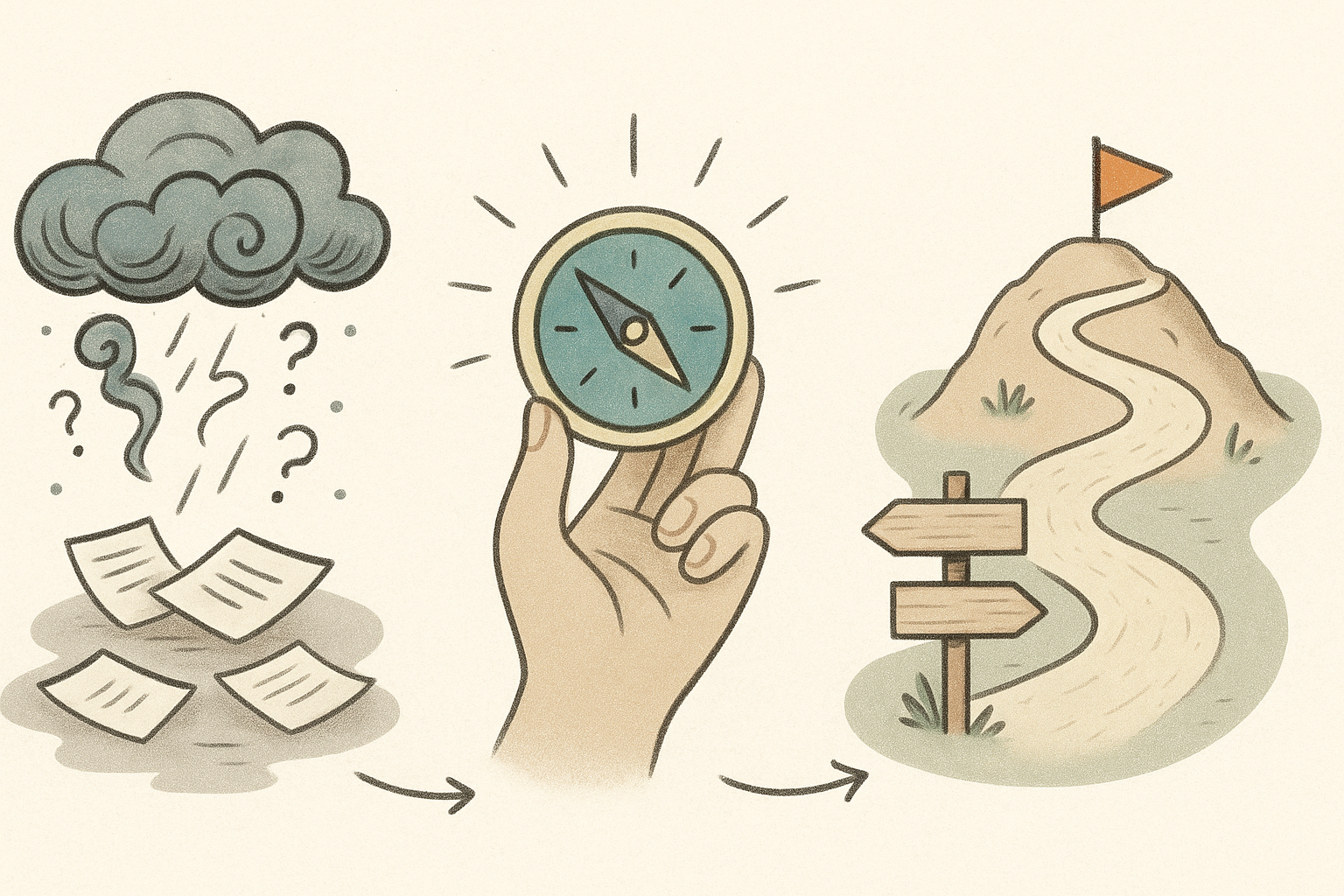
A simple path from “everything feels messy” to “I know where to start and what to do first”.
Step 1 – Identify Your Situation
Most of the people I work with recognise themselves in one of these three situations:
A. Constant Firefighting

Every week is dominated by urgent issues. You’re reacting more than you’re steering, and important work keeps getting delayed.
B. Key-Person Dependency

A handful of people (maybe including you) carry the operation. If they are out, things slow or stall.
C. Digitalization Pressure

You’re planning or recovering from ERP/CRM or other tool projects – and realise the underlying processes aren’t clear enough.
Step 2 – Run the Process Health Scan
The quickest way to get oriented is the Process Health Scan. It takes about 7 minutes and gives you a summary of:
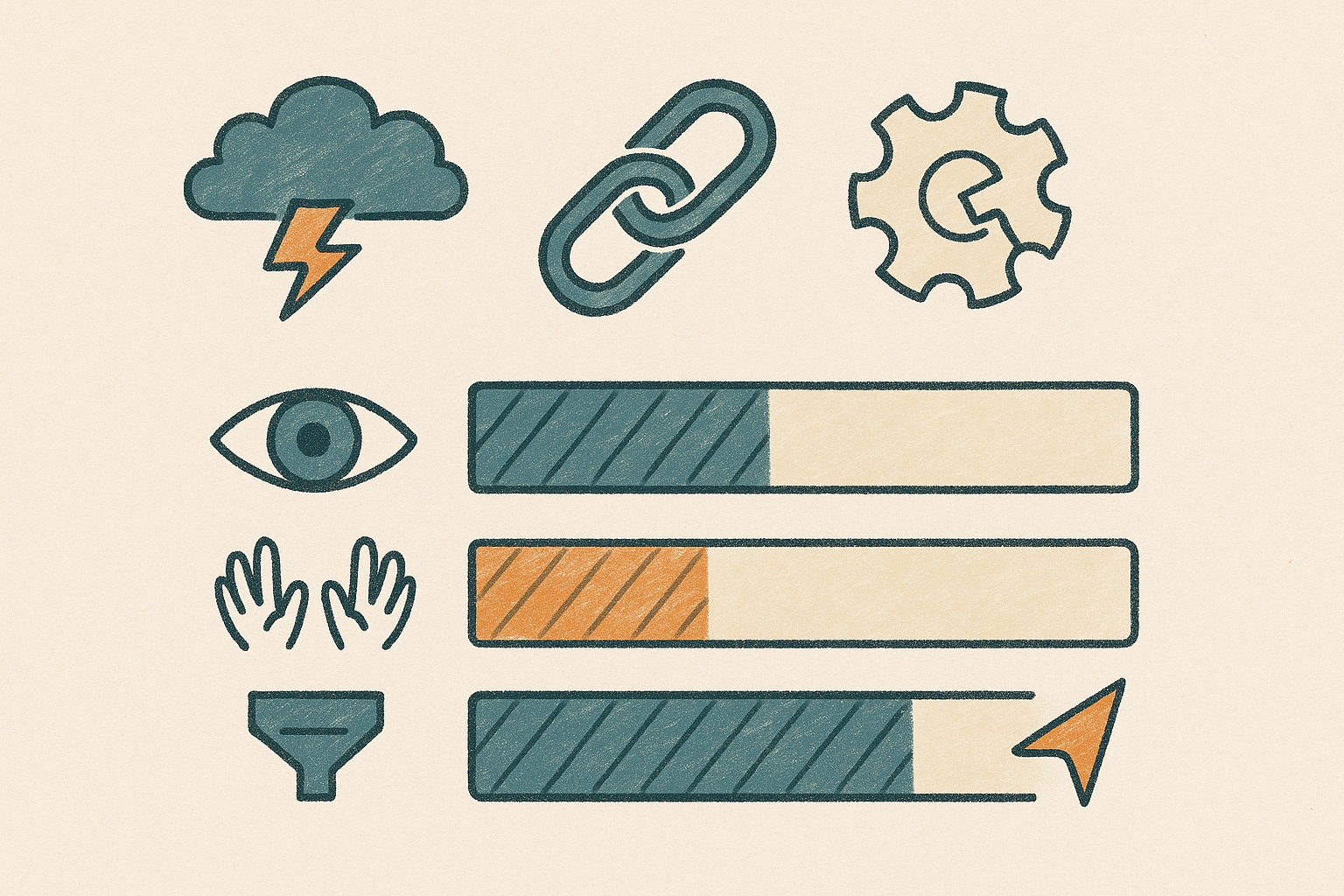
- Which theme is strongest for you (Chaos, Dependency, or Tool Chaos).
- How you score on process clarity, handovers, bottlenecks, and system alignment.
- Where to focus first over the next 3–6 months.
Scan snapshot
Step 3 – Pick a First Program (Optional)
Once you have your scan results, you can decide whether you want to work on one workflow right away. Here’s a simple guide:
If Firefighting Is the Main Issue
Start with A1 – Firefighting to Flow
In 4 weeks, you stabilise one critical workflow and create a simple way to keep it under control.
If Capacity Is the Main Issue
A2 – Capacity Sprint
Once you have one workflow somewhat stabilised, you can move to A2 – Capacity Sprint to free up 20–30% capacity.
If your main constraint is key-person risk or digitalization readiness, you can still start with the scan and A1 – we’ll build the other programs around the same method.
Prefer to Talk First?
If you’re dealing with a more complex situation or want to explore a larger initiative, you can get in touch and briefly describe your context.
Let’s talk